Filtration
Frequently Asked Questions - Filtration
What makes up a pool filtration system?
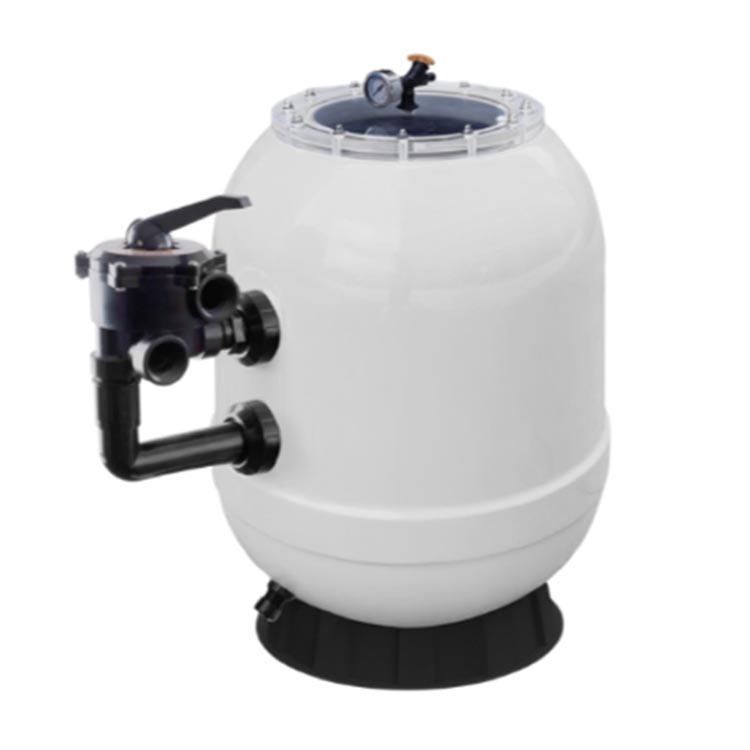
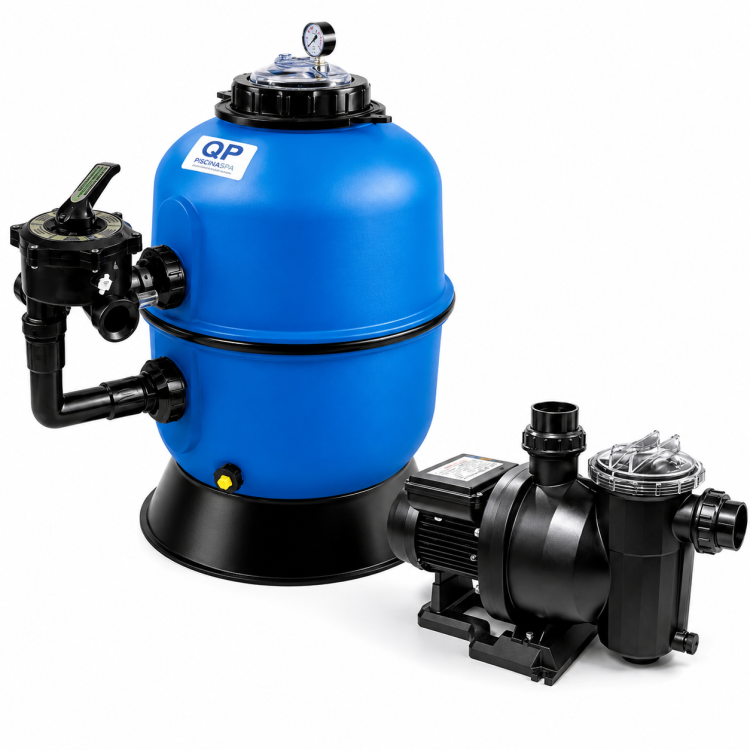
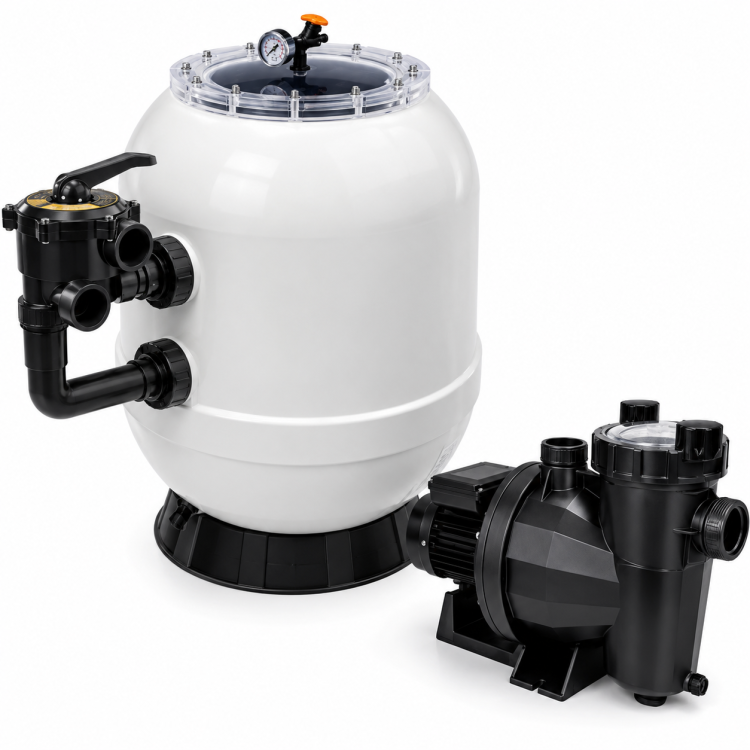
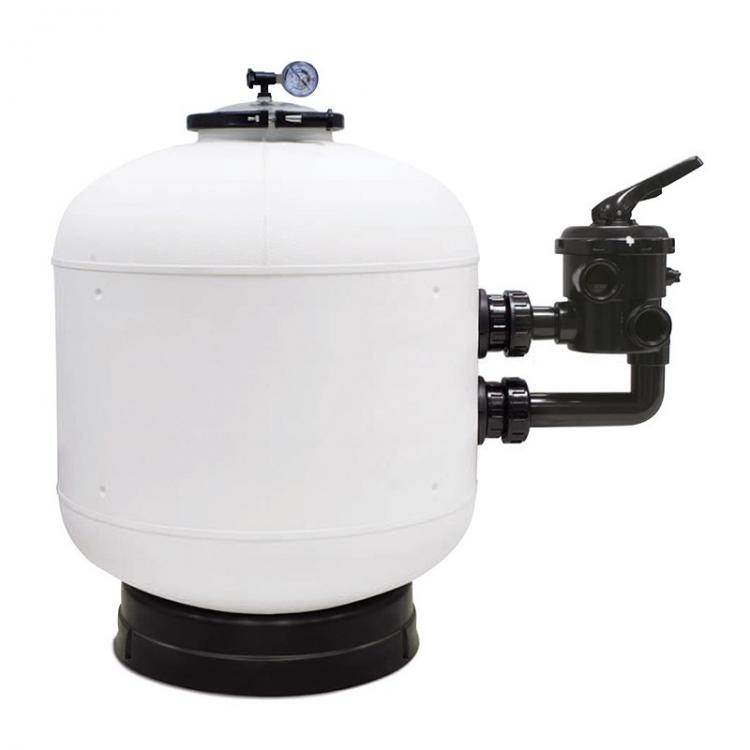
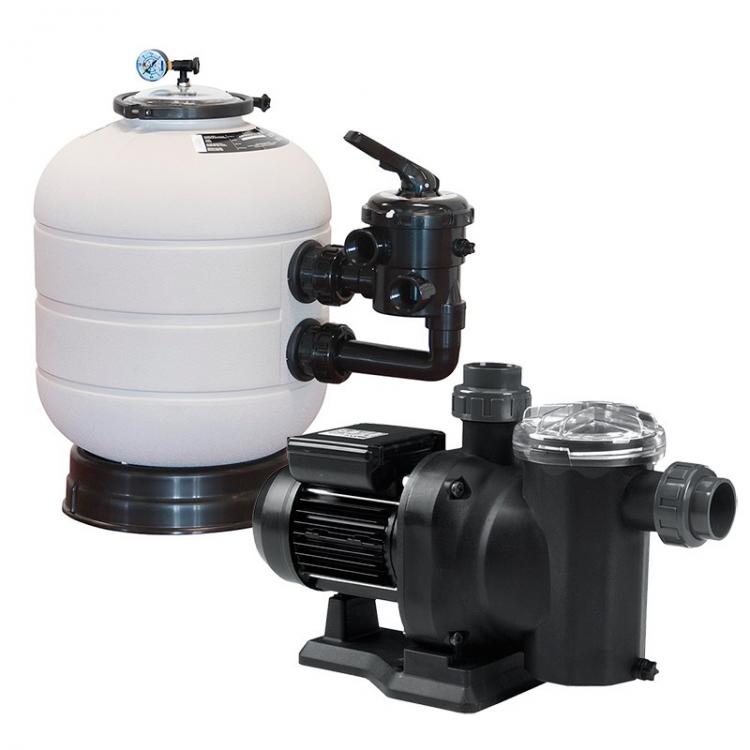
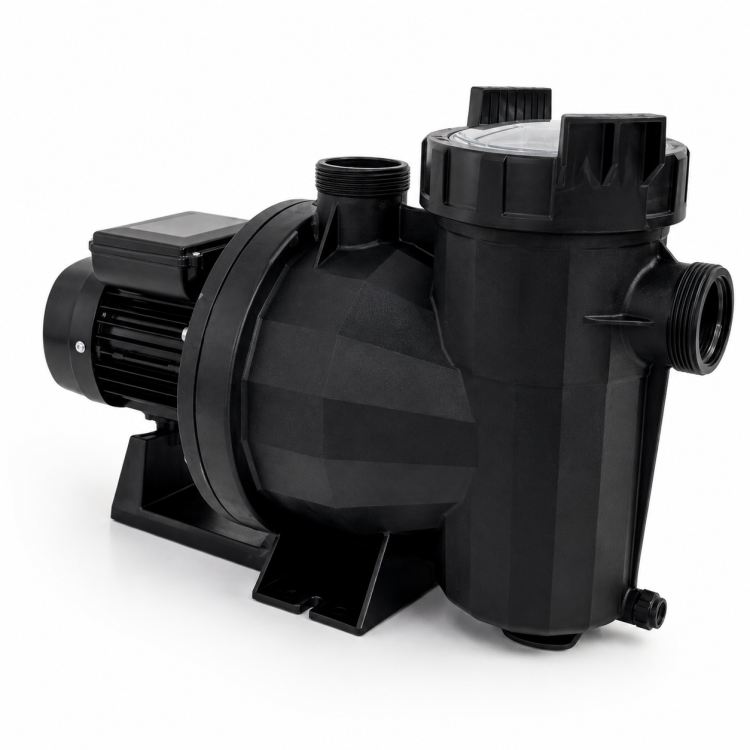
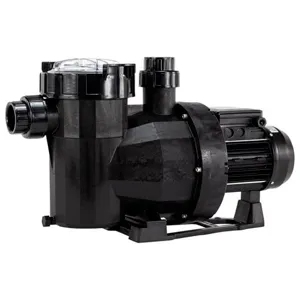
The heart of the system is two elements working together: the pump, which moves the water, and the filter, which traps dirt before returning clean water to the pool. Added to these are the valves, the electrical control panel that protects the pump and schedules the cycles, and optionally treatment equipment such as salt chlorinators. If pump and filter are correctly sized for each other, the water stays crystal clear with minimal effort.
What size of filter and pump does my pool need?
The basic rule is that the system should recirculate the pool's full volume in about 4-6 hours: from your pool's cubic metres you get the required pump flow rate (in m³/h) and, from that, the right filter diameter — a slightly oversized filter always filters better and clogs more slowly. Each product page states the flow rate and recommended pool volume. If you are unsure between two sizes, contact us with your pool's dimensions and we will calculate it for you, no obligation.
Which is better: sand, glass or cartridge filter?
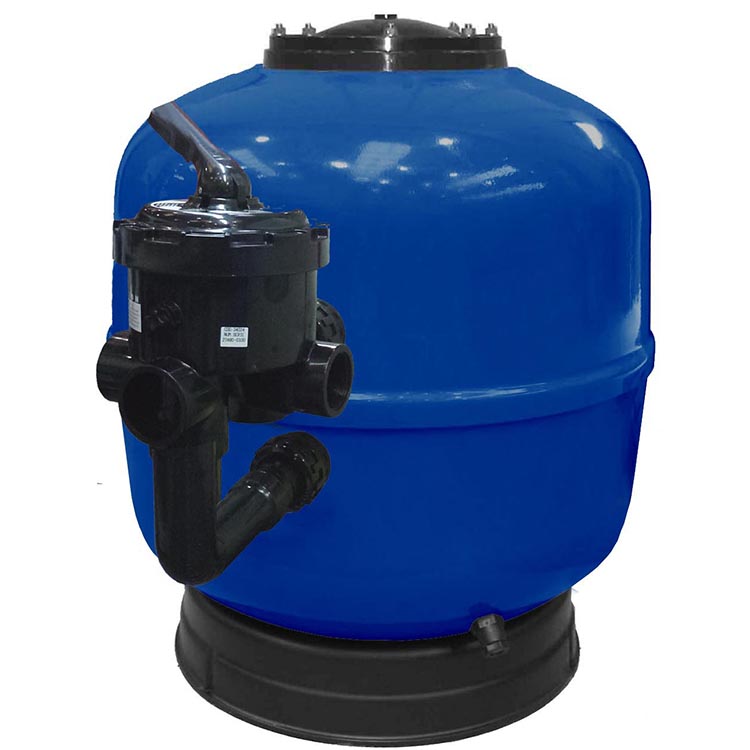
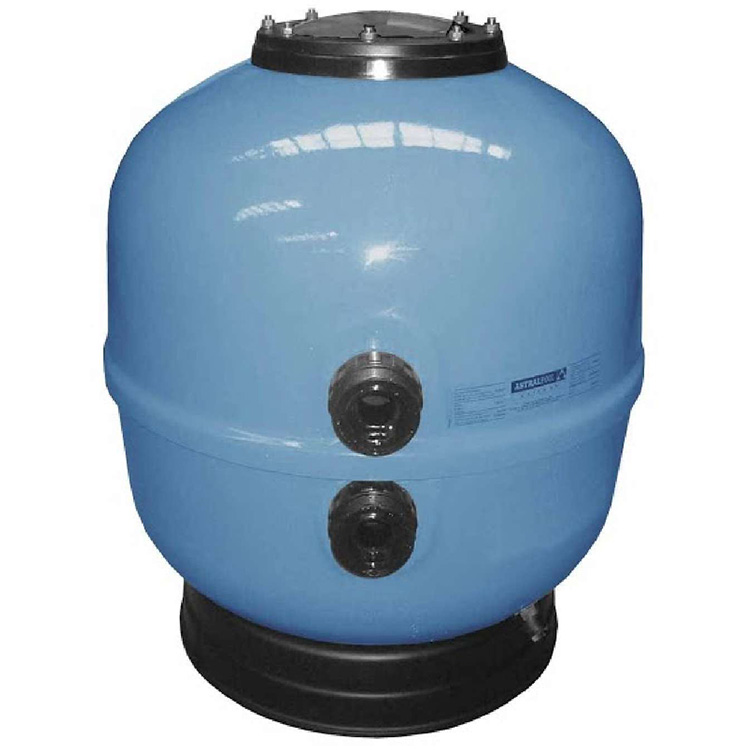
Silica sand is the standard: affordable, effective and with years of service life. Filter glass (such as Dryden Aqua's) is the step up: it filters finer, prevents biofilm build-up, saves water on backwashing and lasts far longer than sand. Cartridge filters are reserved for compact systems and spas: hose-cleaned, no backwash needed. For a built pool, the best long-term investment is a good filter loaded with glass media.
How many hours a day should the filtration run?
The classic reference is water temperature divided by two: with water at 26 °C, about 13 hours of daily filtration at the height of summer; in spring and autumn 6-8 hours usually suffice, and in winter 2-3 to keep the water moving. Best to schedule them during daylight hours, when algae are most active. With a variable-speed pump you can filter more hours at low speed while using less electricity.
What maintenance does the filter need and how often is the sand changed?
The essential task is backwashing whenever the pressure gauge rises above its usual working pressure — in summer, roughly every one to two weeks — always followed by a rinse before filtering again. Sand is replaced as a guideline every 4-5 seasons, when it loses filtering capacity; filter glass can last considerably longer. Use the media change to inspect the laterals inside the tank and the multiport valve gasket.
Is a variable-speed pool pump worth it?
For most private pools, yes: a variable-speed pump (such as the VS models) filters at low RPM for more hours, which cuts electricity consumption very noticeably compared with a conventional pump, extends motor life and makes the system nearly silent. The extra investment pays for itself through the electricity bill, especially with the long summer cycles.
What is a pool electrical control panel and what is it for?
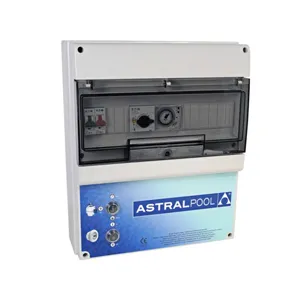
It is the control centre of the filtration system: it protects the pump against overloads and short circuits, schedules the filtration cycles with its timer, and lets you integrate the pool lighting through the transformer for the lights. A panel correctly sized to the pump's power is essential for a safe installation and for the motor to keep its warranty. Choose yours according to your pump's power rating.

Close
Open