Treatment
Frequently Asked Questions - Treatment
How do you keep pool water in good condition?
It all comes down to watching two parameters: the pH, which should stay between 7.2 and 7.6 so the sanitiser works and the water doesn't irritate, and the sanitiser level (chlorine, bromine or salt). The basic routine: test the water once or twice a week, adjust pH first and then the sanitiser, and run the filtration for the right number of hours. With that discipline, green or cloudy water practically disappears from your life.
What is a salt chlorinator and what are its advantages?
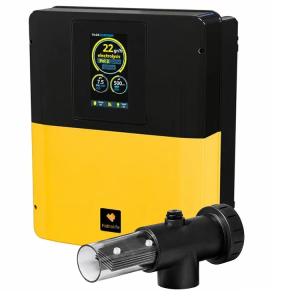
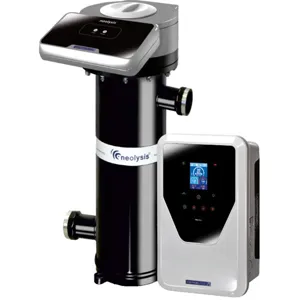
It generates chlorine automatically by electrolysis from a low concentration of salt dissolved in the water — far below seawater levels. Its advantages: you stop buying and handling chlorine, sanitisation is constant all day, and the water feels noticeably gentler on skin and eyes. In return you should keep the pH well controlled (ideally with an automatic dosing pump, as electrolysis tends to raise it) and replace the cell every few years. It is the most popular comfort upgrade for private pools.
Chlorine, bromine, salt, ozone or UV: which treatment to choose?
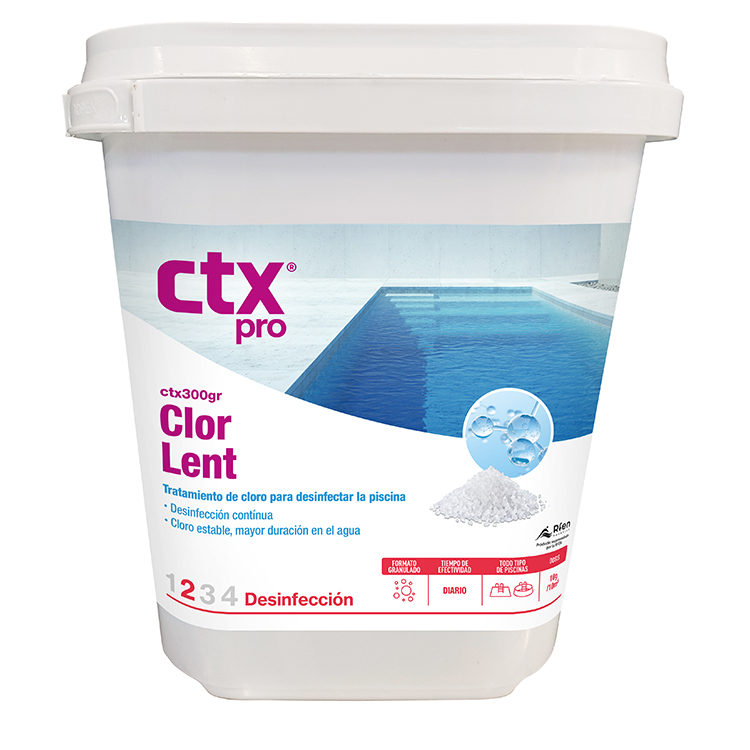
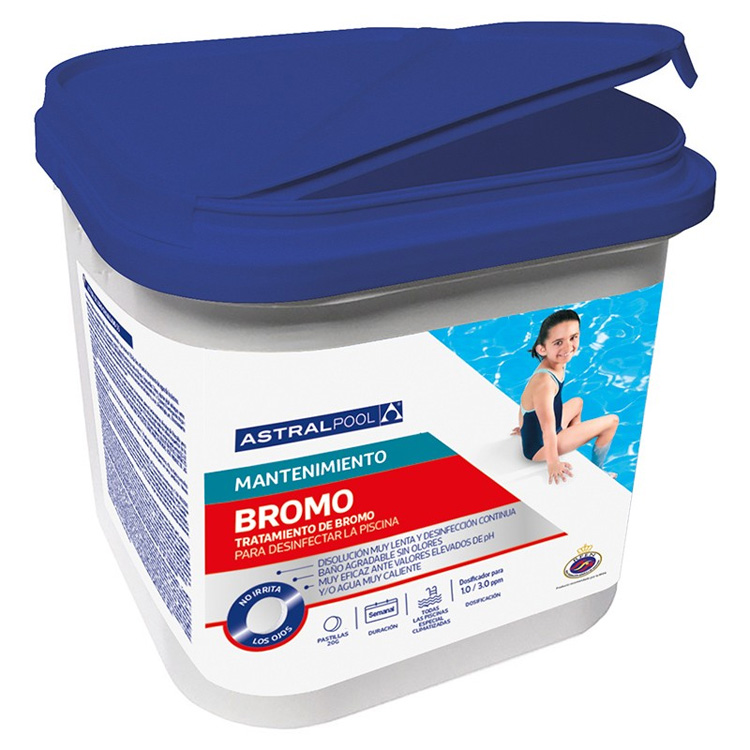
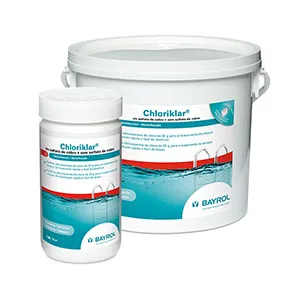
Chlorine is the standard for effectiveness and price. Bromine withstands high temperatures better, making it the usual choice for spas and heated pools. Salt electrolysis automates chlorine production and gains followers every year. And ozone or UV are complementary systems: they greatly reduce chemical consumption and improve water quality, though they always require keeping a small sanitiser residual in the pool. For a private pool, the most balanced combination is usually salt + pH regulation, with UV as an optional booster.
How do I recover a pool with green water?
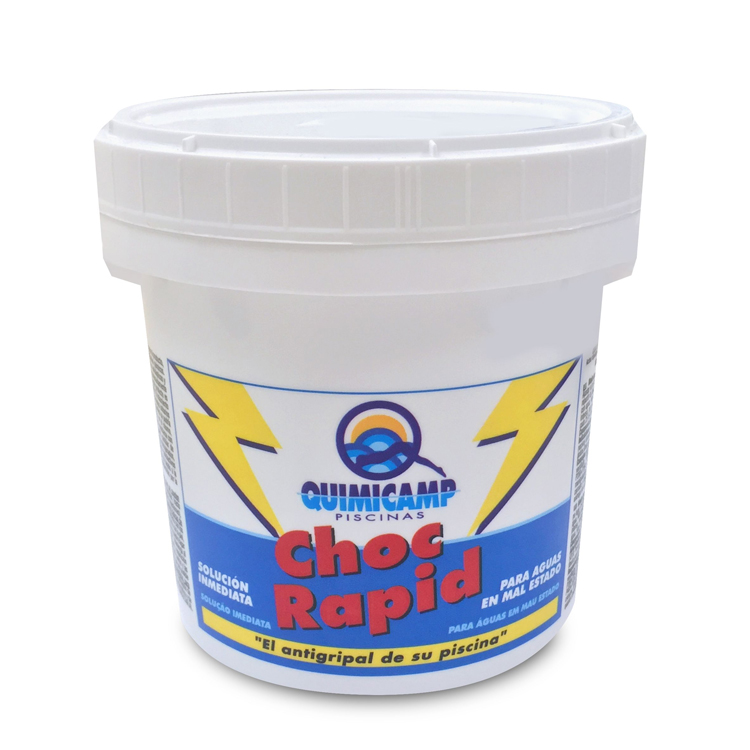
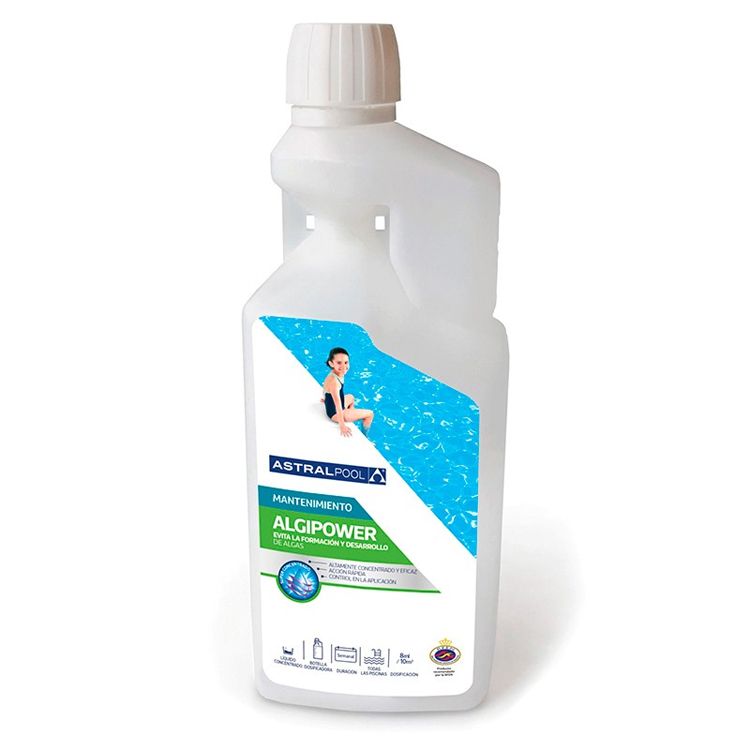
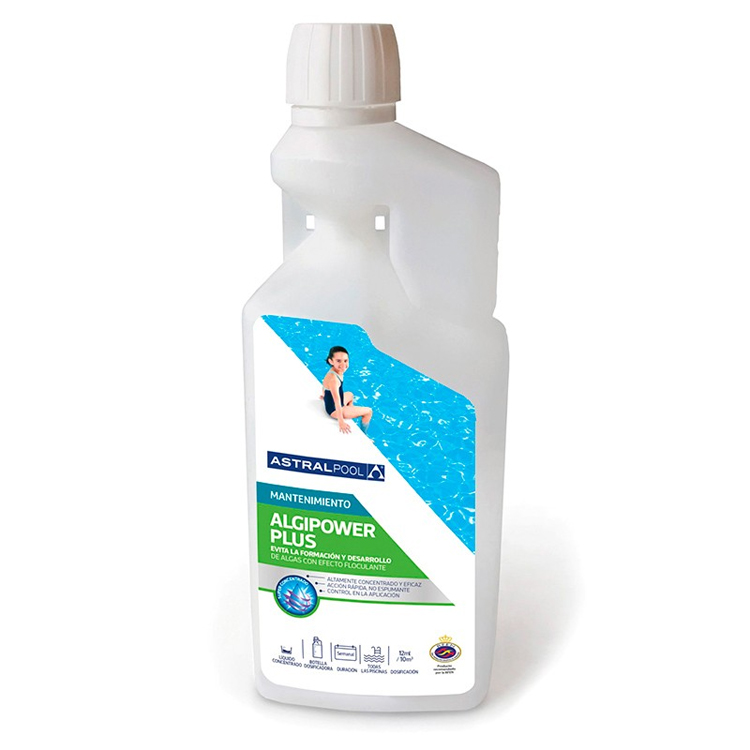
Green water is an algae bloom and is solved with method: brush walls and floor, adjust pH to the low end of the range (7.2), apply a shock chlorination, add algaecide and filter non-stop for 24-48 hours, backwashing the filter whenever the pressure rises. In a few days the water goes from green to cloudy and from cloudy to clear — a flocculant speeds up that last phase. Important: never mix chemicals with each other; always add them to the water separately, following the label instructions.
What is an automatic pH regulator or dosing pump for?
It continuously measures the water's pH and automatically doses the corrector needed to keep it always in range. It is the near-mandatory companion to a salt chlorinator — electrolysis tends to raise the pH — and the best insurance against living glued to your water: lower chemical consumption, stable sanitisation and zero surprises when you come back from holiday.
How often and how should pool water be tested?
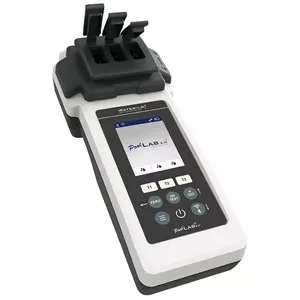
In season, at least once or twice a week — and always after storms, heatwaves or heavy-use days. Strips and drop kits are enough for day-to-day control (pH and chlorine). Digital photometers give precise readings of pH, free chlorine, alkalinity or cyanuric acid, and are the best option if you have a salt chlorinator, an intensively used pool or want to truly fine-tune the treatment.
How do you winterise a pool?
When closing the season: deep-clean the pool, balance the pH, apply a winterising product — it prevents algae growth and limescale deposits during the cold months —, protect the installation as your equipment indicates and reduce filtration to 2-3 hours a day to keep the water moving. Draining the pool is not recommended: the water protects the lining and the structure. With good winterising, the spring start-up takes a day instead of weeks.


Close
Open