Air Conditioning Pool
Do you have a swimming pool and want to enjoy it all year round? It doesn't matter if you have an indoor or outdoor pool, whether it's winter or summer. Thanks to our cold-weather heating equipment you will be able to enjoy your swimming pool all year round.
At Piscinas Spa we offer a wide range of electric dehumidifiers to avoid humidity and cold air when leaving the water in indoor pools.
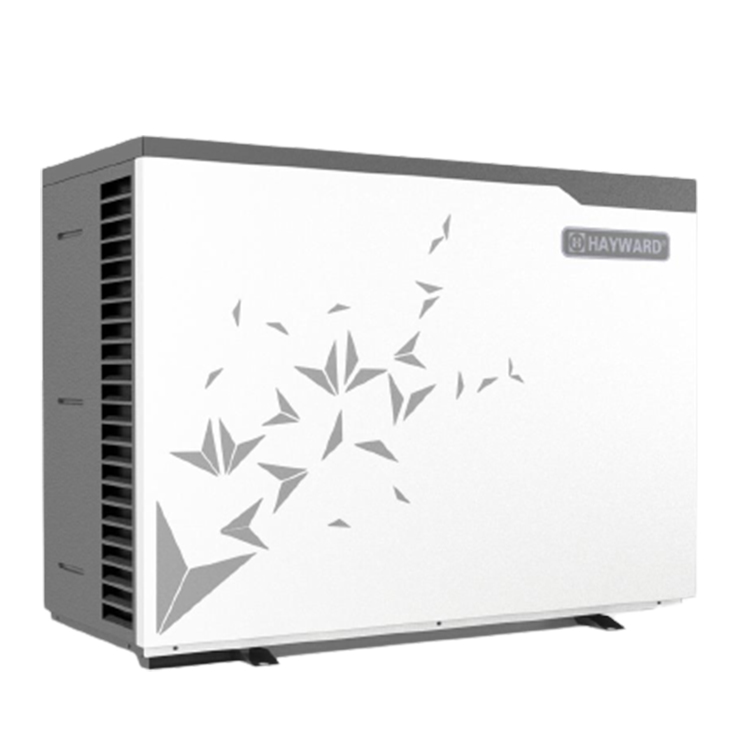
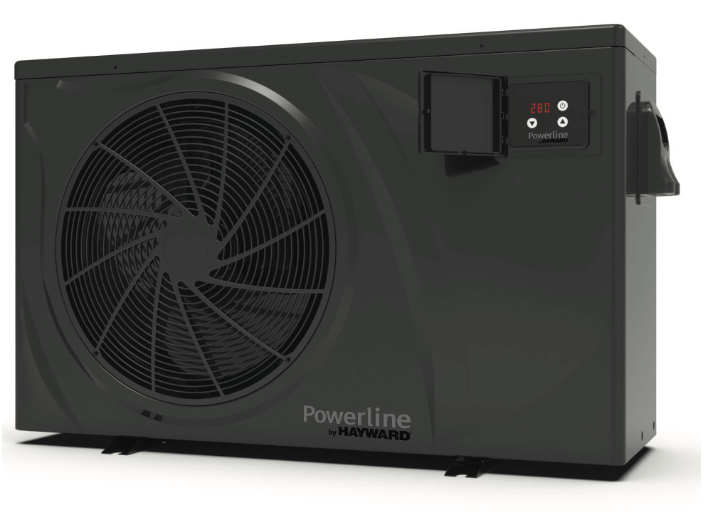
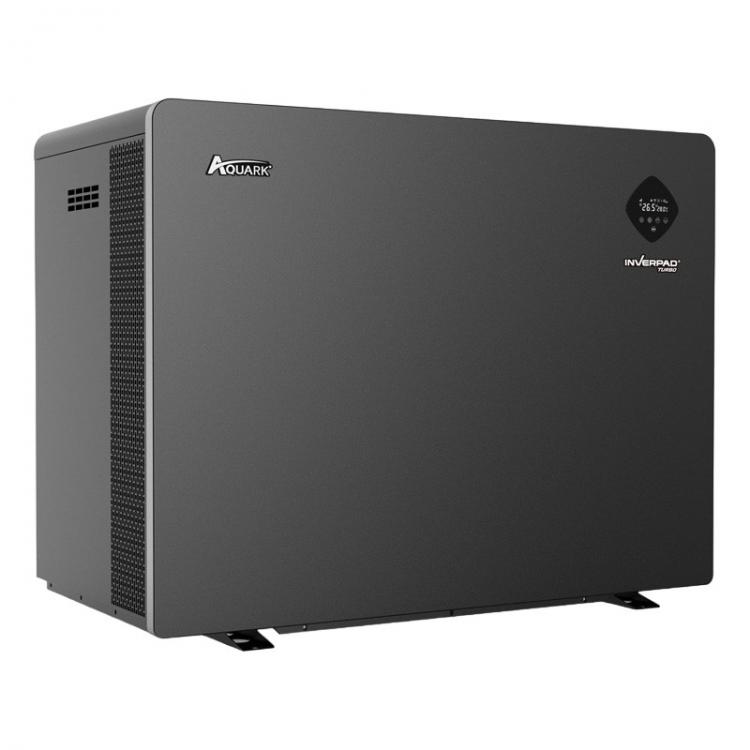
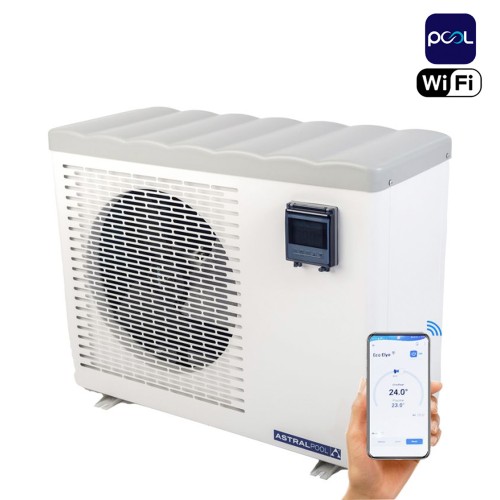
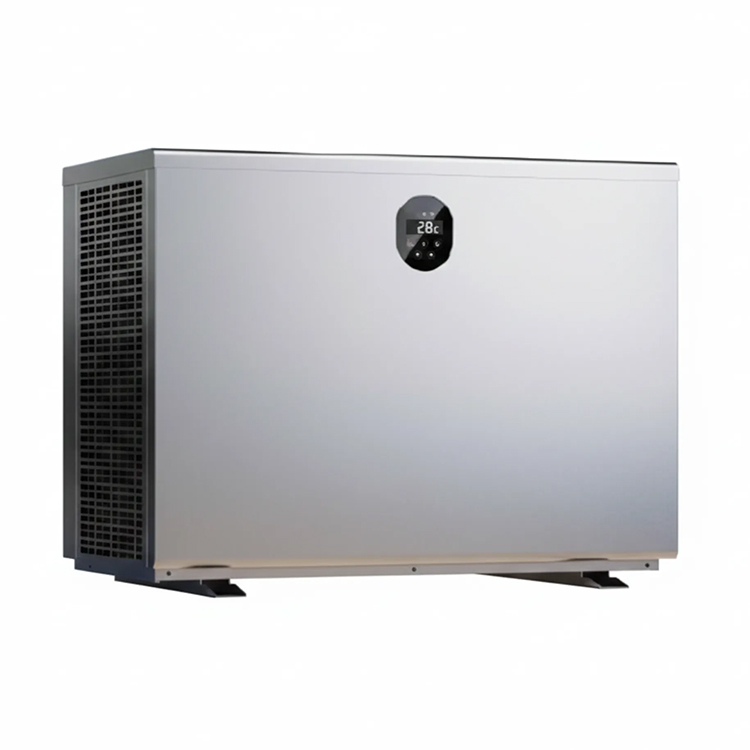
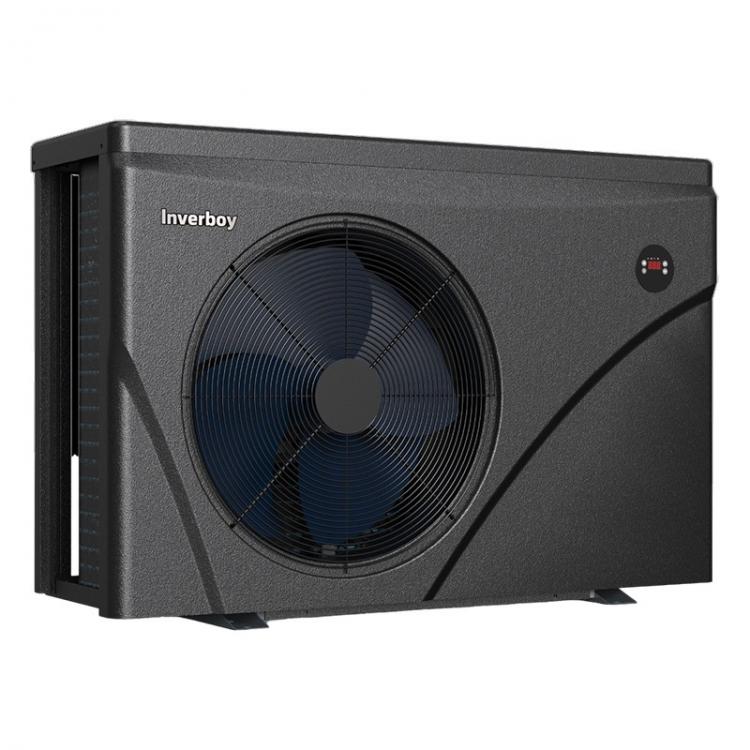
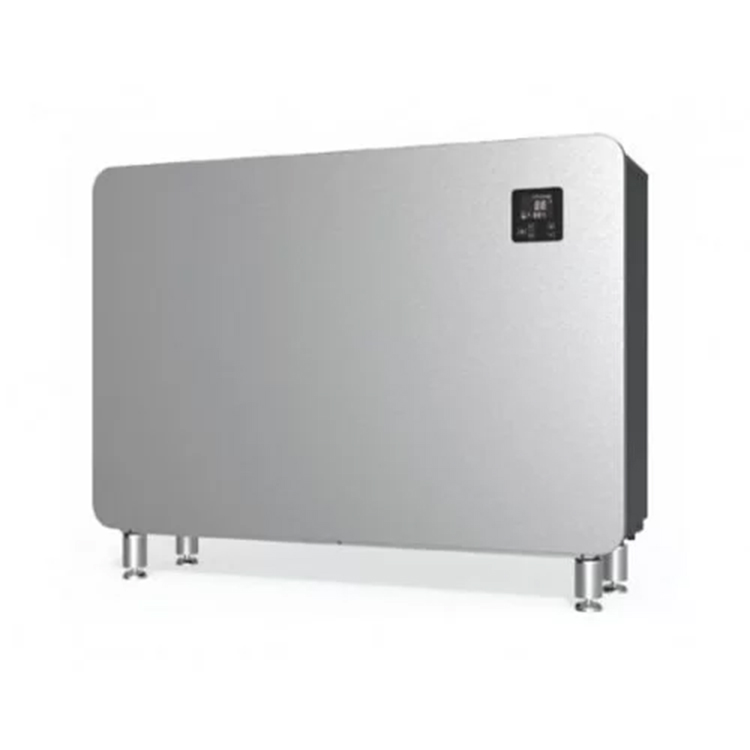
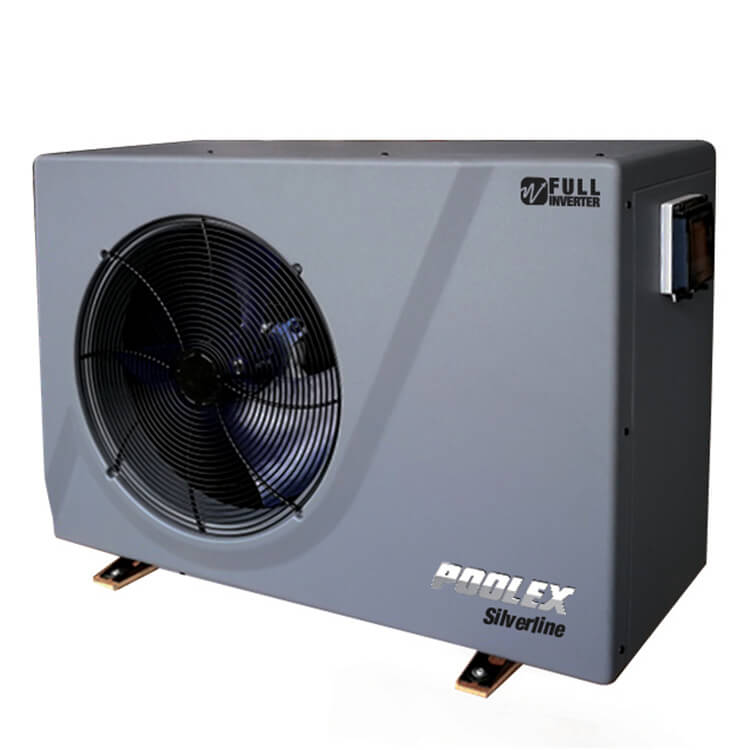
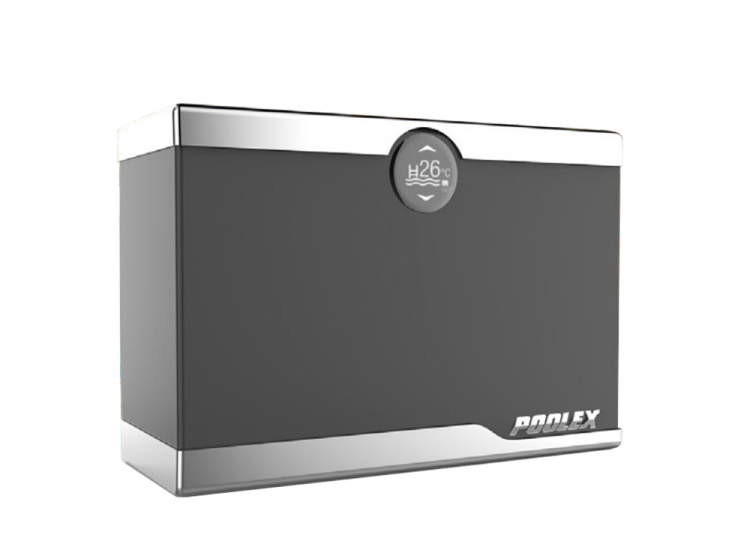
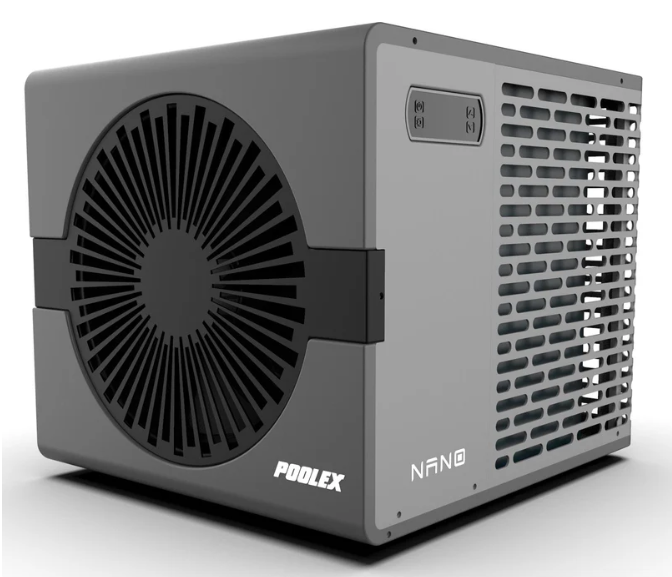
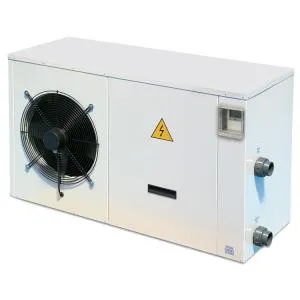
In addition, we have heat exchangers, heat pumps and electric heaters to heat the water of your pool minimizing electricity consumption.
What are you waiting for to continue enjoying your pool?
Frequently Asked Questions - Climate
What is the best way to heat pool water?
For most private pools, the heat pump is the most efficient option: it extracts heat from the air and transfers it to the water, consuming far less electricity than the heat it delivers. The heat exchanger is the alternative if your home already has a boiler or aerothermal system, and the electric heater is reserved for spas and small volumes due to its direct consumption.
What heat pump power does my pool need?
It depends on three factors: the water volume (m³), the usage season you want to cover (extending the summer requires less power than swimming in mid-winter) and whether the pool is covered with a blanket or slatted cover, which greatly reduces losses. Each product page states the recommended volume by climate and use; when in doubt, choose the higher power — a generously sized pump runs fewer hours and lasts longer. Tell us m³, location and swimming months and we'll recommend the exact model.
What does Full Inverter mean in a heat pump and is it worth it?
A Full Inverter pump continuously regulates the compressor and fan speed instead of working all-or-nothing: once the temperature is reached, it maintains the water running at low speed. The result is a much higher efficiency (COP), lower electricity consumption over the season and much quieter operation — important if the unit is near the swimming area or the neighbours. That's why almost our entire heat pump catalogue is already Full Inverter: the initial premium pays back through the electricity bill.
How much does a pool heat pump consume?
The key is the COP (coefficient of performance): for every kW of electricity it consumes, a modern heat pump delivers several kW of heat to the water — hence its advantage over a pure electric heater. Actual consumption depends on the volume, target temperature, climate and, above all, whether the pool is covered: a thermal blanket or slatted cover drastically reduces night losses and can cut the cost to a fraction. The most economical recipe: a well-sized Full Inverter pump + a cover every night.
Can I use the heat pump all year round? And to cool the water?
Yes, provided the model is designed for it: high-end pumps work at low outdoor temperatures and allow winter swimming, though in cold climates it's best to combine them with a cover to contain losses. And many of our pumps are reversible: besides heating, they can cool the water at the height of summer — increasingly useful in areas where the pool exceeds a pleasant temperature in July and August. There are also specific cooling pumps. Check the working temperature range on each product page.
Why do I need a dehumidifier for an indoor pool?
Because the water of an indoor pool evaporates constantly and that humidity, if uncontrolled, condenses on walls, windows and structure, causing mould, corrosion and building damage, besides a stuffy, uncomfortable atmosphere. The dehumidifier keeps relative humidity in the right range, protects the construction and makes the room pleasant when you leave the water. It's essential — not optional — equipment for any indoor pool. We size it according to the water surface area.
What do a slatted cover, a low enclosure or a telescopic enclosure provide?
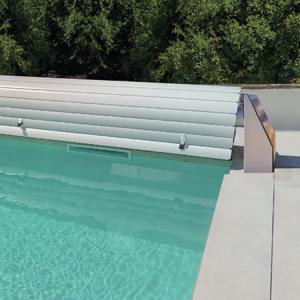
All three fulfil the same triple function — keeping heat, reducing dirt and adding safety — at different investment levels. The slatted cover rolls up automatically and is the most aesthetically integrated. The low enclosure creates a greenhouse effect that raises the water temperature several degrees at no cost. And the telescopic enclosure additionally lets you use the pool under cover when the weather doesn't cooperate. Combined with a heat pump, they extend the swimming season spectacularly. We'll advise you based on pool and budget.


Close
Open